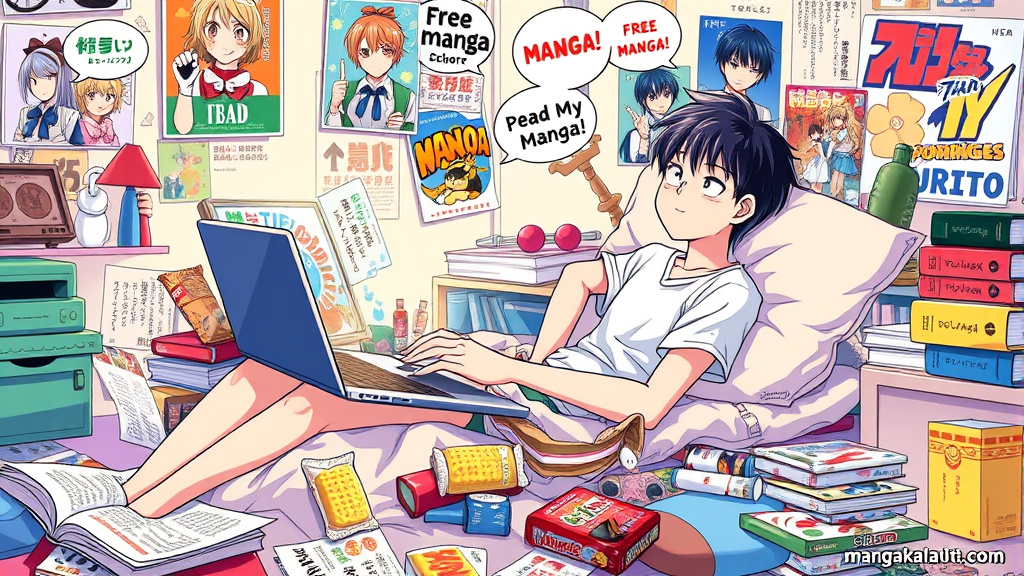
In the vibrant realm of manga enthusiasts, one of the most intriguing and controversial phenomena is the practice of scan eng manga. Scanlations, or scanlations, are unofficial translations of manga that are shared online by fans before official translations are released. These translations have revolutionized how readers worldwide access manga, especially when official releases lag behind Japanese publication schedules or are unavailable in certain regions. The ascent of scanlations has created a dynamic and complex subculture within the manga community, blending passion, activism, ethics, and legality in a unique way. In this article, we will delve deep into the world of scan eng manga, exploring its origins, processes, community, and the ongoing dialogues surrounding its future.
The Rise of Scanlations: Understanding the Unofficial English Manga Scene
The emergence of scan eng manga can be traced back to the early days of the internet when manga fans first began sharing digital copies of Japanese comics online. Initially, these efforts were driven purely by a love for the medium and a desire to make manga accessible to non-Japanese readers. Over time, groups of dedicated fans developed into organized scanlation teams, producing high-quality translations that circulated rapidly across forums and file-sharing platforms. This movement challenged traditional distribution models and, in many ways, democratized manga consumption globally. Today, despite ongoing debates about legality, the scanlation scene continues to thrive, reflecting both the strengths and pitfalls of fan-driven localization efforts.
The phenomenon's growth underscores a broader shift in media consumption—fans seeking instant access and personalized translations outside the scope of official channels. The rise of scan eng manga underscores a tension between piracy and passion, with many fans arguing that they are cultural advocates who help popularize manga worldwide. This scene’s expansion has prompted larger conversations about intellectual property rights, access to art, and cultural exchange, making it a fascinating case study of how modern fandoms operate in a digital age. The scene’s evolution also highlights how technological advancements and globalization have reshaped the way fans experience manga, turning a hobby into a global movement with millions of followers.
 Hình minh họa: villainess manga – scan eng manga
Scanning and Translation: Exploring the Process of Scanlating Manga
The process of scanlating manga—often called "scanlation"—is a meticulous blend of technology, linguistics, and fandom passion. It begins with raw scans, which are high-quality digital images obtained directly from Japanese manga publications or printed copies. These raw images serve as the foundation for the entire process; skilled scanlation teams then clean, edit, and prepare the images for translation. This involves removing Japanese sound effects, cleaning pixelated backgrounds, and ensuring that all images are legible and aesthetically pleasing. Once the images are ready, professional or amateur translators step in, converting Japanese dialogue into English, often with the aid of translation tools, dictionaries, and native language knowledge.
After translation, the next stage involves typesetting—placing the translated text dynamically into speech bubbles without disrupting the artwork. This complex task requires precision to maintain the manga’s visual integrity. Once typeset, the chapters undergo quality checks to ensure accurate translation, proper formatting, and consistency throughout the manga. Finally, the finished manga is uploaded to various online platforms to be accessed by fans worldwide. This process exemplifies a community-driven effort that relies heavily on volunteers, collaborative spirit, and shared expertise, all in a bid to bridge cultural gaps and bring Japanese manga into global consciousness. Crucially, this entire process operates outside official channels, creating a fascinating yet legally contentious landscape.
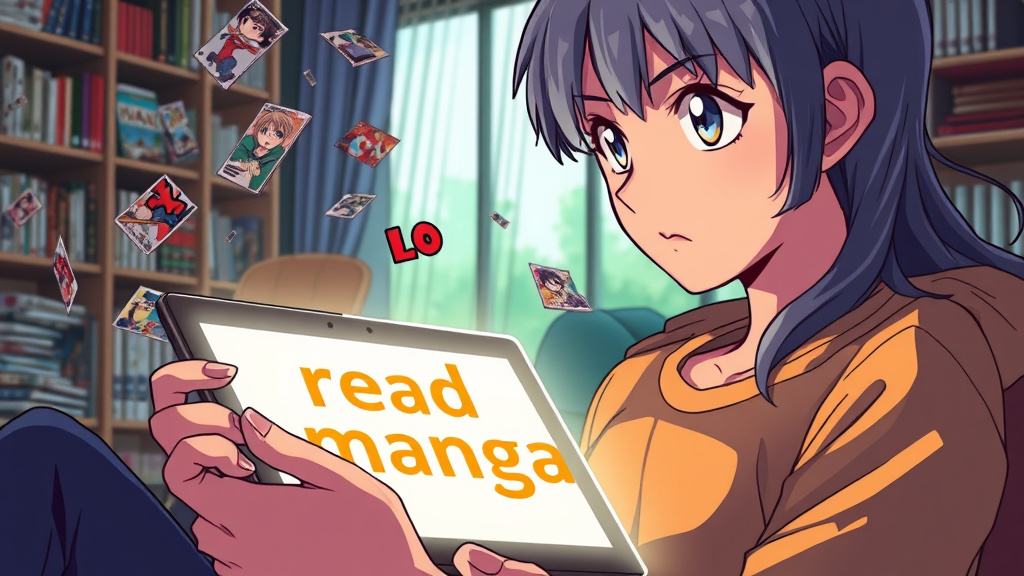
Copyright and Scanlations: Legal and Ethical Considerations
Legal issues surrounding scan eng manga are central to understanding the scene’s controversy. While fans argue that scanlations serve as a form of free promotion or cultural exchange, copyright laws in many countries consider the digital redistribution of manga pages without permission as infringement. Major publishers and creators have repeatedly emphasized that unauthorized translations deprive them of revenue and intellectual property rights. Despite this, some proponents contend that scanlations fill a vital gap, especially when official translations are slow, unavailable, or prohibitively expensive in certain regions. This ongoing tug-of-war creates a complex ethical landscape where fans, publishers, and creators grapple with balancing access, legality, and respect for intellectual property.
The ethical debate extends beyond legality, touching on issues of creator compensation, cultural rights, and the importance of supporting official releases. Many argue that stopgap fan translations can inherently undermine the official industry, discouraging publishers from investing in localized versions. Conversely, some fans view scanlations as a form of activism or cultural preservation, advocating that the dissemination of manga should transcend legal barriers to promote cultural exchange. As the industry evolves, governments and companies are increasingly pushing for stricter enforcement, yet the community’s resilience and adaptability suggest that scan eng has become more than just a piracy issue; it’s a reflection of fans’ deep engagement and the accessibility challenges within the manga industry.
The Impact of Scanlations on the Official English Manga Market
The influence of scan eng manga on the official market is profound and multifaceted. For publishers and creators, one of the most immediate concerns is lose revenue, as unauthorized translations often saturate markets before official versions are released. This can lead to diminished sales, especially among international audiences eager for timely access. However, some industry insiders acknowledge that scanlations have also unintentionally served as a form of advertising—garnering interest in titles that might otherwise remain obscure outside Japan. Successful manga that gain popularity through scanlations can sometimes persuade publishers to invest in official translations, which long-term can support the sustainability of the franchise and benefit creators directly.
Furthermore, the rise of scan eng manga has prompted publishers to reevaluate their localization strategies, leading to faster releases, digital-first approaches, and innovative marketing tactics. In some cases, unofficial versions act as de facto pilots for potential markets, helping gauge popularity and demand. However, the reliance on scanlations highlights the ongoing challenge publishers face in balancing consumer expectations with protecting intellectual property. While the scene has created a tension between fan enthusiasm and legal protection, it has also galvanized the industry to adapt, speeding up official translations and embracing digital distribution channels to better serve global fans. The coexistence of these two worlds is an ongoing dance, shaping the future of manga accessibility worldwide.
Scanlation Groups: Community, Collaboration, and Motivation
Scanlation groups form the heartbeat of this underground ecosystem, fostering a vibrant community driven by passion for manga and a desire to share stories with the world. These groups typically consist of dedicated volunteers who take on specific roles—raw providers, cleaners, translators, typesetters, and quality checkers—collaborating to produce polished chapters. The spirit of collaboration is one of the scene’s defining features, often transcending geographical boundaries and cultural differences to unite fans under a shared goal. Motivation for members varies—from honing their language and editing skills to simply enjoying the storytelling experience or supporting favorite creators indirectly.
Beyond technical skills, scanlation groups often develop close-knit communities centered on mutual encouragement, social bonding, and shared enthusiasm. Many seasoned members sustain the scene for years, mentoring newer volunteers or developing innovative methods that improve translation quality and speed. The community’s dynamics highlight a collective effort where individual contributions amplify the overall impact, creating a network of passionate fans committed to keeping manga alive outside traditional channels. This collaborative spirit underscores how digital platforms have empowered grassroots movements, blurring the lines between fans and unofficial publishers and demonstrating the sheer organizational power of dedicated fandom.
From Raw Scans to English Text: A Technical Guide to Scanlation Tools
Transforming raw manga scans into polished English versions is a technically demanding process that relies heavily on a suite of specialized software and skills. Initially, raw scans are processed using image editing tools like Adobe Photoshop or GIMP to remove Japanese text, sound effects, and blemishes, effectively "cleaning" each page to prepare it for translation. This step requires meticulous attention to detail to preserve the artwork’s integrity while ensuring that subsequent steps are seamless. Once cleaned, the translator reads and translates the Japanese dialogue, often utilizing tools like dictionary databases, OCR (Optical Character Recognition), and machine translation software as aids, although fluency and cultural nuance remain critical.
The translated text is then typeset into the speech bubbles using graphic design tools such as Clip Studio Paint or Photoshop. This step demands a keen eye for font selection, placement, and ensuring that the dialogue matches the tone and style of the original work. Quality control is vital; multiple rounds of proofreading, editing, and formatting revisions are performed to maintain consistency and readability. Advanced groups also incorporate scripting languages and automation—like Python scripts—to streamline repetitive tasks or help manage large volumes of pages efficiently. The technical proficiency involved reflects a blend of artistic skill, linguistic ability, and technological savvy that keeps the scene thriving despite its semi-underground status.
The Evolution of Scanlation: From Early Days to Modern Practices
The history of scanlations traces back to the dawn of digital manga sharing, evolving alongside internet technology and fandom culture. Early scanlation efforts were often amateurish, with small groups sharing scanned pages via email or chatrooms. As technology advanced, so did the sophistication of these groups, with better scanning equipment, more refined editing techniques, and streamlined translation workflows. The emergence of dedicated forums and online communities facilitated collaboration at scale, allowing volunteers from around the world to contribute their skills and knowledge collectively.
In recent years, the scene has seen significant changes driven by the rise of social media, cloud storage, and dedicated scanlation websites. Modern practices emphasize speed, high-quality editing, and overall professionalism, akin to small publishers in their workflow and organization. Simultaneously, the scene has become more debated, with some factions advocating for more ethical approaches or calling for greater respect for copyright law. Despite the controversies, the core ethos of passion, sharing, and cultural exchange remains central. This continuous evolution reflects a community that adapts rapidly to technological innovations and cultural shifts, yet still operates within the paradoxical space of legal gray areas.
Finding and Accessing Scanlated Manga: A Guide for Readers
For manga fans seeking to explore the vast world of scan eng manga, knowing where and how to access these translations safely and ethically is essential. Numerous online platforms, forums, and niche websites serve as hubs for scanlation groups to upload their latest chapters. However, these sources can be unpredictable; some may host malicious files, or breach copyright laws, making it crucial for readers to exercise caution. Popular communities often recommend trusted sites known for reliable uploads, minimal malware risk, and respectful recognition of creator rights, even within the unofficial scene.
Beyond simply finding manga, understanding the community ethos can enhance the experience. Many fans participate in discussions, support groups, or donate to teams to encourage ongoing scanlation efforts. Additionally, it’s worth exploring official sources, where available, to support the industry—short of purchasing official translations—by following updates, preorders, or supporting crowdfunding campaigns. While the allure of rapid access is tempting, fostering a balanced approach that respects creators’ rights ensures that manga continues to thrive in both official and fan-driven spheres. Navigating this landscape requires both curiosity and responsibility, ensuring fans enjoy manga while respecting intellectual property.
Criticisms and Controversies Surrounding Scanlation Practices
Scan eng manga have long been a source of contention among industry stakeholders and fans alike. Critics argue that scanlations undermine the efforts of publishers, discouraging investment in official translations and depriving creators of revenue. Many publishers have lobbied against scanlation groups, citing violations of copyright law and concerns over intellectual property theft. In response, some in the fan community advocate for more ethical sharing and support for official releases, but a significant portion remains loyal to the unofficial scene, citing reasons like accessibility, speed, and cultural preservation.
Controversies also stem from the cultural implications of translation quality, fidelity to the original, and the potential for misinterpretation. Some fans question whether unofficial translations can truly capture the nuance and context of Japanese language and culture, arguing that poor quality translation can distort the storytelling. Conversely, others appreciate the passion behind scanlations and see them as a form of cultural activism. The ongoing debate reflects broader issues about digital piracy, cultural exchange, and the ethics of fan-driven content creation. As the industry continues to evolve, the lines separating legality from fandom and the ideals of sharing versus protecting intellectual property remain central conflicts shaping the future landscape of manga localization.
The Future of Scanlations - Adaptation and Coexistence with Official Releases
Looking ahead, the future of scan eng manga is likely to evolve in response to industry shifts, technological innovations, and changing consumer behaviors. Official publishers are increasingly adopting digital-first strategies, rapid translation, and worldwide releases, which may reduce the demand for unofficial scanlations over time. However, the scene’s deep-rooted community and the desire for immediate access mean that scanlations will likely persist as a countercultural force, advocating for openness and cultural exchange. The challenge lies in fostering a balance—where fans continue to enjoy manga freely while supporting the creators and publishers who make the content possible.
Moreover, some industry players are beginning to recognize the value of fan communities and are exploring collaborations, licensing agreements, or official fan translations as part of their global expansion strategies. These initiatives aim to provide legal avenues for manga fans to access content ethically and conveniently, gradually aligning the scene with legal frameworks. Ultimately, coexistence may emerge through innovative licensing, digital platforms, and increased transparency, allowing both unofficial and official channels to thrive. The ongoing conversation about the future of scanlations underscores the importance of adaptability, respect for creators, and shared passion—a testament to how manga’s global appeal continues to unite diverse communities in pursuit of shared storytelling.
Conclusion
The world of scan eng manga embodies a complex intersection of fandom, technology, legality, and cultural exchange. From its humble beginnings, it has grown into a powerful movement that democratizes access to manga while raising critical questions about intellectual property and creator rights. The process of scanlating—meticulous, collaborative, and driven by passion—demonstrates both the community’s dedication and the ethical debates it sparks. As the manga industry adapts to digital transformation and global demand, the scene faces challenges and opportunities, with official releases and fan efforts increasingly intertwined. Ultimately, the future likely holds a landscape where tradition and innovation coexist, emphasizing respect, accessibility, and shared love for manga storytelling — a captivating reflection of how fans and creators can find common ground in the digital age.